Gi Care and Hygiene Tips from BJJ Gym condition1combat.com
A clean gi does more than smell good. It protects training partners, keeps the mats safer, and extends the life of gear that is not cheap to replace. At Condition 1 Combat Center, where Brazilian jiu jitsu, Muay Thai, boxing, and self defense classes run back to back, the pace of training is high and so are expectations for hygiene. Coaches notice when a collar still has salt buildup or a belt reeks of laundry shortcuts. Teammates notice even faster. After years of coaching and running laundry cycles late at night before morning sessions, I have learned that consistent, simple habits beat fancy products every time.
The non-negotiable: wash after every class
Wear the gi, sweat in it, then wash it. Waiting until tomorrow risks bacterial growth that sets odors and increases the chance of skin infections. Even if the class felt light, the fabric trapped moisture at the collar and sleeve cuffs, which creates a perfect petri dish. The smell you get after an unwashed night in a gym bag is not from sweat, it is from bacteria metabolizing residue. Once that odor sets in, normal detergent struggles to remove it.
If you train five days a week, rotate two or three gis. Many students at our BJJ gym bring one gi on and one gi off to keep up with consecutive days. If you are new and only have a single gi, wash it the same evening and hang dry with a fan moving air across it to be ready for the next day. It is better to skip a session than wear a damp gi that never fully dried.
Know your fabric and weave
Most gis use cotton in a pearl, gold, or single weave. Cotton tolerates warm water, but it shrinks, especially under heat. A pearl weave at roughly 450 gsm will handle frequent washing without sagging at the knees. Lighter single weaves dry faster but can fray sooner if you run blazing hot cycles or harsh bleaches. Pre-shrunk claims reduce, but do not eliminate, shrinkage.
If your gi has bright colors, the dye can bleed a little on the first three to five washes. Wash colored gis separately at first. White gis pick up colors and also display detergent residue more clearly, which is why you want thorough rinsing.
The wash routine that actually works
Open the bag right when you get home. Do not let sweat stew. Turn the jacket inside out so the armpits, collar, and skirt get direct agitation. Unknot the pants drawstring so the waistband gets fully cleaned. If your gym day included Muay Thai or boxing at Condition 1 Combat Center, toss your rash guard and undershorts in the same load, but separate hand wraps to a mesh bag so they do not tangle and strangle the washer.
Water temperature matters. Warm water in the 86 to 104 F range is effective at dissolving oils and activating detergents without hammering the fibers. Hotter water can help with heavy contamination but expect extra shrink. Cold water saves color, yet may leave a film that turns into stink by midweek. If you want cold-only washing, upgrade the detergent to an enzymatic formula and increase spin speed to aid drying.
Detergent should be measured, not guessed. Overdosing leaves residue that traps odor. Under-dosing leaves soil that feeds bacteria. A capful for a full load, half a cap for a small load, and a pre-soak if there is visible grime. For serious funk, an oxygen-based booster helps remove organic stains without the destructive effects of chlorine bleach. Avoid fabric softeners, liquid or dryer sheets, martial arts school spring tx because they coat fibers and reduce breathability. That slick feel is not cleanliness.
White gis respond well to a cup of white vinegar in the rinse compartment every few weeks. Vinegar helps break mineral buildup and speeds rinsing, and the smell disappears as it dries. Baking soda in the main wash can neutralize odor, but do not mix it in the same cup as vinegar. Let the machine do its separate dosing.
A quick checklist to keep on your laundry shelf
- Empty bag promptly, turn gi inside out, release drawstrings
- Warm wash with measured detergent, add oxygen booster if needed
- No fabric softener, consider vinegar in rinse for whites
- Spin high, then hang dry with moving air or low heat only
- Disinfect the gym bag weekly, not just the gi
Drying without shrinking your investment
Heat is where most gis lose their fit. High heat tightens cotton permanently. If you love the way your sleeves currently break at the wrist bone, protect that fit. Hang dry with good airflow. A cheap box fan aimed across a shower rod can dry a gi jacket overnight. Expect six to ten hours depending on humidity and weave. In dry climates, a patio line works well, but avoid direct high noon sun to limit color fade and collar warping.
If you must use a dryer, pick low heat or air only for 10 to 15 minutes to fluff and then finish on a hanger. A few tennis balls in the dryer help circulate air, preventing damp creases that sour. If the sleeves are long out of the bag and you intentionally want a size down, try one short cycle on medium, then reassess. Control shrink in small steps, not one aggressive blast. Remember, pants shrink more in length than width, so monitor hemline if you train no-gi and BJJ in the same week and swap pants between gis.
Handling stains and stubborn odors
Blood comes up with cold water first, then a normal warm cycle. Hot water cooks proteins and can set the stain. Treat the spot quickly with cold running water, pat dry, then launder. Mat tape glue on collars responds to a dab of rubbing alcohol on a cloth, followed by washing.
Yellowing at the armpits is a mix of deodorant and body chemistry. Enzyme detergents plus oxygen-based booster reduce it. If the collar has a hardened salt line, soak the jacket in a bucket with warm water and a cup of white vinegar for 30 minutes, then wash as normal. Mildew smell means the gi sat wet too long. Run a rewash with warm water, a full dose of detergent, and an oxygen booster, then dry thoroughly with real airflow.
Persistent funk usually points to one of three culprits. You are using too much detergent, leaving residue. You are not drying fast enough, letting microbes multiply in the fabric. Or your machine has a biofilm in the gasket or drum. Run a hot maintenance cycle on the empty washer with a washing machine cleaner or a cup of white vinegar to keep the machine from re-seeding your clean laundry.
Belt, patches, and drawstrings
Wash the belt. The old myth about never washing a belt does not belong in a modern academy. Belts collect the same sweat as the collar, especially during rounds where grips travel along the knot. Cold or warm water, same detergent rules, hang dry. If you prefer to protect stripes, soak them in cold water first so the adhesive holds better through the cycle.
Patches should be stitched well at the edges. Heat-bonded patches often lift at the corners after repeated drying, which then catch during rolls. If you have decorative embroidery or large patches from a competition team, flip the jacket inside out to reduce friction. Avoid ironing patches directly. If you must, use a cloth between the iron and the patch, low heat, short contact.
Drawstrings on pants can be swapped for a flat cord if the round rope digs at the waist. If your drawstring keeps escaping the channel, use a small safety pin at the tail end when you launder so it has a stopper.
No-gi gear, gloves, and mouthguards
Most BJJ students at the Condition 1 Combat Center bjj gym cross-train in Muay Thai or boxing. Rash guards, spats, and compression shorts need the same prompt wash and dry. These synthetics handle cold or warm water, but hot cycles can break down elasticity. Hang dry to preserve fit. Hand wraps carry bacteria deep in the fibers. Use a mesh bag, warm wash, and hang dry fully stretched to avoid musty rolls.
Shin guards, MMA gloves, and boxing gloves never see the washer. Wipe the inside with a slightly damp cloth, then use a disinfectant spray rated for athletic gear, allow full dry time with the gloves propped open. A shoe deodorizer insert or cedar sachet helps absorb moisture between classes. If you train multiple sessions a week at the Condition 1 Combat Center boxing gym, invest in two sets of hand wraps so each set dries fully before reuse.
Mouthguards should be rinsed immediately, then cleaned with a soft brush and mild soap. Keep them in a ventilated case. Boiling every session is overkill and deforms many guards. Once a week deep clean is plenty unless it fell on the floor or the mats.
Skin health and infection prevention
Hygiene is not just for smell. It is risk management for ringworm, impetigo, and staph. Quick showers after class help, but the details matter. Use a gentle soap you will actually use daily. Scrub around fingernails and toenails. Dry well, especially between toes and along the belt line. Moisture trapped under tight clothing can become an issue during double days of mma training.
Cover any abrasions with a breathable bandage before class. If a cut opens during rounds, alert your partner, step off, and let a coach help clean and cover it. Do not tape directly over dirty skin and keep going. The tape will come off, and someone else will end up with your blood on their sleeve.
Pay attention to your skin. A coin-sized red patch that is itchy and scaly after a few days might be ringworm. Honey-colored crusts on a scratch could be impetigo. A painful, hot bump may be a staph infection. It is tempting to hide it and keep training because a tournament is coming, but that is how teams end up with outbreaks. Sit out, see a medical professional, and return when cleared.
When to pull yourself from training
- Any open, actively bleeding cut you cannot properly cover
- A fever or flu-like symptoms, especially with body aches
- New rash that spreads or leaks fluid
- Swollen, hot, or painful skin bump
- Pinkeye symptoms, including discharge and irritation
Nails, hair, and the small habits that build trust
Keep fingernails and toenails short and smooth. A single rough edge can carve a line down a teammate’s face or shred a rash guard. Long hair should be tied back with a fabric tie, not a hard plastic clip. Remove jewelry. Piercings can tear, and rings can cut.
Wear sandals off the mat, and never walk in the bathroom barefoot then step back onto the mat. Those few steps track bacteria. Coaches at an mma gym like Condition 1 Combat Center are quick to ask someone to grab their slides for a reason. It is not a fashion rule. It is a hygiene barrier.
Bring a small towel to class. Wipe sweat when you come off the mat. Dab your face rather than flinging sweat as you push hair back. If you sweat a lot, consider an extra rash guard to switch for live rounds during longer sessions.
Mat etiquette tied to hygiene
Tell a coach right away if there is blood on the mat. Most gyms keep a spray bottle and disposable towels at hand. Wipe the area, spray disinfectant according to the label’s contact time, and let it sit for the full duration before returning to that space. Spraying and immediately wiping is just perfume.
If your partner smells like a bag that sat in a hot car for a weekend, be direct but respectful. Pull them aside and speak quietly. Most people do not realize how bad it is until someone tells them. At Condition 1 Combat Center, culture matters. We earn hard rounds by taking care of each other, not by ignoring uncomfortable topics.

Gear lifespan and repair
A well-maintained gi lasts one to three years with regular training. The collar shows wear first, followed by the knee panels and sleeve cuffs. If the weave thins, sew a reinforcement patch before it rips wide during a grip fight. Local tailors can strengthen seams for a reasonable price, cheaper than a new jacket. Replacing the pants first is common because of knee slides and guard work. Keep spare drawstrings and a seam ripper in your gear drawer for quick fixes.
Avoid bleaching cotton with chlorine. It weakens fibers and shortens life. Oxygen-based cleaners are safer. If you train at the Condition 1 Combat Center mma training sessions that run twice a day, block time once a week for a deeper wash with a soak. That resets the fabric and slows the march toward permanent funk.
Laundry station setup that makes consistency easy
Set up a simple workflow at home. Hooks near the door for your gym bag keep it off the floor and open to air. A mesh bag inside for the gi lets air circulate even when life gets busy. A small fan on a timer in the laundry room moves moisture out, crucial if you hang dry overnight. Keep detergent, oxygen booster, and white vinegar together so you do not skip steps. A folding drying rack under a ceiling vent or by a window can hold a jacket and pants without stressing the shoulders.
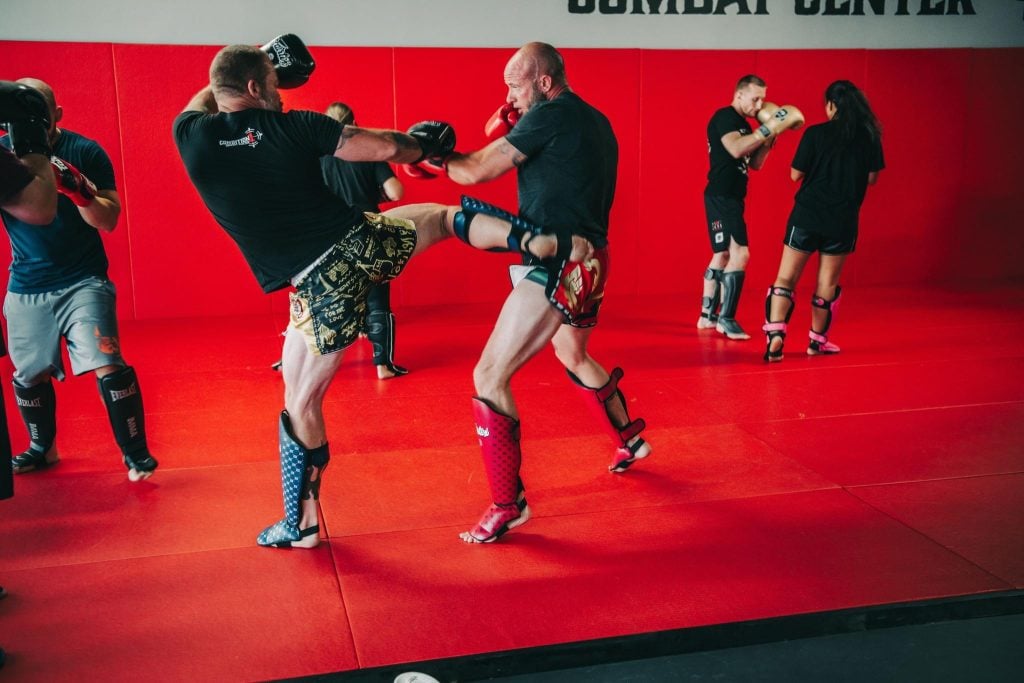
Design a schedule. Light training weeks mean wash right after class and hang. Heavy weeks mean pre-soak once, vinegar rinse midweek, bag disinfecting on Sunday. When the habit becomes routine, you do not think about it, you just do it.
Disinfect the gear you do not wear
Bacteria live in the dark corners of your routine. The gym bag soaks up humidity and sweat from the gi even if you wash the gi perfectly. Spray the inside with a fabric-safe disinfectant once a week. Let it fully dry unzipped. Wipe your water bottle cap. If your car seat got damp from your post-training drive home, treat that fabric, too. These small details close the loop.
Shoes for the walk to and from class are often neglected. If you store them in your bag, seal them in a separate compartment or a shoe pouch so they do not transfer street grime to the interior. If the bag rides along to work before training at the mma gym Condition 1 Combat Center, avoid leaving it in a hot car. Heat accelerates bacterial growth and bakes in odor.
Parents and kids classes
Kids roll hard and forget to pull gis out of the bag. Label everything. Young students at the bjj gym Condition 1 Combat Center often train twice a week. Two gis make life easier. Teach them to turn the jacket inside out and hang it. Use gentle detergents and rinse thoroughly, as children’s skin is more sensitive. Pre-treat grass or playground stains with a kid-safe stain remover before washing. Sunscreen on summer evenings can leave waxy marks on collars and cuffs. Enzyme detergents help break it down in one or two cycles.
Seasonal adjustments
Humidity stretches drying times. In summer, run a fan and dehumidifier if the gi hangs indoors. In winter, indoor heating can overdry and stiffen fabric. A brief tumble on air only softens the jacket without heat. If you notice static or scratchiness, resist the temptation to use fabric softener. A second rinse does more good and preserves breathability.
If you travel for a tournament, pack a small bottle of detergent and a travel clothesline. Hotel air conditioners dry well if you place the gi near the vent, not on the lamp. Lay a towel under the pants to catch drips. If you compete with a white gi and also own a blue or black, keep them in separate laundry bags to avoid dye transfer when you wash on the road.
Integrating hygiene into gym culture
A clean room is a shared project. The Condition 1 Combat Center brazilian jiu jitsu training staff mops, sprays, and checks the mats, but athletes carry the responsibility of showing up clean. That includes men and women in our Muay Thai classes and boxing rounds where sweat sprays even more freely. When everyone washes their gi, rash guard, and wraps properly, the whole training environment levels up. Partners trust grips near the face, coaches do not need to repeat reminders, and classes move smoothly.
For new members, a quick orientation on laundry pays dividends. For veterans, checking your own routines once a season sharpens the edge. The best teammates are the ones who roll hard and leave no trace other than a sincere handshake and a thank you at the buzzer.
A closing word from the mats
Good gi care is not complicated, it is consistent. Wash every time, dry thoroughly, mind the details, and fix small issues before they become big ones. Your gear lasts longer, you spend less, and your partners will be grateful. Whether you split time between the BJJ mats and the striking classes at the Condition 1 Combat Center muay thai gym, or you focus on advanced brazilian jiu jitsu training, clean gear and good hygiene are the foundation of hard, safe rounds. When in doubt, air it out, wash it right, and keep the bag fresh. The rest of your game will thank you.