Spring, TX Kick, Punch, Progress: Condition 1 Combat Center kids martial arts
Walk into a good kids martial arts class in Spring, TX and the first thing you notice is the mix of energy and order. Kids move with purpose, coaches use names instead of whistles, and even the scrimmage rounds have clear goals. I have watched enough youth programs to know when a curriculum is built for show and when it is built for growth. Condition 1 Combat Center falls in the second category. The focus is real skill development wrapped in age-appropriate structure, and that is where confidence, discipline, and useful self protection habits take root.
Parents considering self defense classes for their children weigh more than just kicks and punches. They want a place where their child feels safe, learns to listen, and comes home more resilient. They want coaches who understand the difference between instilling humility and draining enthusiasm. They also want training that scales. If a program works, a six-year-old can continue at 9, at 12, and later step into teen or adult tracks with momentum. That continuity, from kids martial arts to adult martial arts training, is one of the strongest reasons families in Spring explore Condition 1 Combat Center martial arts programs.
What kids actually gain in a well-run program
A quality youth curriculum builds toward clear outcomes that parents can recognize without a black belt. You will see a quieter child raise a hand to volunteer. You will see a frantic child start to breathe and count under pressure. You will see better balance, crisper footwork, and fewer flinch reactions.
Kids also learn how to set boundaries. In a supervised drill a child practices using a loud, stern voice, frames hands to create distance, then pivots away to find an adult. The lesson is not to be the toughest kid on the playground, but to respond wisely and early. That is the heart of self defense classes that serve children well.
The physical side matters just as much. Striking arts build coordination and rhythm. Grappling teaches leverage and body awareness in close quarters. These skills transfer to other sports and reduce the awkward, injury-prone movements you often see during growth spurts. When the curriculum blends striking fundamentals with basic clinch and ground control, kids develop a rounded toolkit, not a single trick.
The Spring, TX context
Spring families juggle school schedules, youth sports, church groups, and everything I-45 throws at them. Any martial arts program that fits into that puzzle earns its keep by delivering structure that helps at home, not just inside the gym. I have talked with parents who moved to Spring for work and wanted a stable activity that did not evaporate after one season. Martial arts, done right, can anchor a routine while leaving room for other activities. A two to three day per week rhythm works for most children. More than that and you risk burnout. Less than that and progress stalls.
Coaches in Spring also tend to see a wide range of backgrounds in a single class. New arrivals from other Texas cities, relatives visiting long term, kids from heavy sports families and kids who have never stepped into a team environment. A good academy adjusts on the fly, pairing kids by size and experience, not just age, and using station work so everyone is moving with a purpose.
What “Condition 1” signals to parents
Names matter. Condition 1 hints at readiness, the discipline of being alert without being anxious. In practice, that looks like habit building. Kids line up by stripes or ranks, acknowledge coaches, and perform a brief warm up that is consistent enough to build ownership. I have watched more than one shy eight-year-old take pride in leading the warm up after only a few weeks. That moment is small, but it moves a child from following orders to guiding peers.
Parents browsing condition1combat.com for martial arts classes or self defense classes will see references to both kids and adult programs. That is useful. Children model what adults value, and when a parent trains, even once a week, the message lands. A facility that offers Condition 1 Combat Center adult martial arts training alongside kids classes simplifies life and deepens buy-in. Schedules align, goals align, and the car ride home turns into a shared debrief, not a one-sided quiz.
How classes tend to be structured
Most youth blocks at a serious academy follow a reliable frame: focused warm up, technical segment, isolation drilling, then controlled sparring or scenario play. The order matters. Warm ups should look like movement prep, not random exhaustion. Think hip bridges, bear crawls, lateral shuffles, stance work, and shadow movement. Technical segments should have one primary objective per class or per week. That might be jab to exit and frame for space, or a simple takedown counter with safe falling.
Isolation drills make those ideas real. A partner offers predictable resistance first, then variable resistance. Good coaches cue adjustments instead of resetting the whole drill. Finally, sparring or scenario play gives children a safe test of stress. For kids, that rarely means full contact. Instead, it is light technical sparring, positional rounds on the ground, or a role-play where one child sets a boundary and exits. The key is measured pressure, the level that sparks learning without triggering shutdown.
What to look for on the mat
You can learn a lot in a single visit if you know where to look. Watch how the coaches correct errors. Are they specific and brief, or do they lecture? Specific and brief sticks. Watch how the class transitions. If kids switch drills in under 20 seconds with clear instructions, the culture is strong. Check how newer students are treated during partner work. Pairings by size, calm coaching, and frequent rotation prevent cliques and keep kids safe.
Another marker: do the coaches demonstrate consequences within the drill? For example, if a child drops their hands after a combination, a coach might lightly tap the forehead with a pad to show the opening, then praise the correction. The message is learning, not shaming. That nuance sets the tone for how kids will handle mistakes at school and at home.
Safety, contact levels, and why “hard” is not the goal
Parents sometimes worry that martial arts equals hitting other kids. In a well managed class, most contact is with pads, shields, and controlled holds. When there is contact, it is scaled to the smallest or least experienced child in the pairing. No head contact with intent, clear rules on tapping and releasing in grappling exchanges, and immediate intervention if emotions spike. Good coaches read faces. They can spot the difference between discomfort that helps growth and distress that stops learning.
Safety also involves space and pacing. Clean mats, visible first aid, and coaches who space groups well. Voice volume from coaches should be strong but not harsh. When kids can hear instructions without being startled, they move better and think more clearly. The safest classes are the calmest ones.
Why grappling belongs in kids self defense
If your only mental image of self defense is a punch, you are missing half the picture. Children get grabbed more often than they get squared up. A kid needs to know how to pummel for inside control, post and turn, shrimp away, and stand up safely. These are not advanced skills. With the right coaching, a seven-year-old can learn to push hips away, frame on the shoulder, and roll to a knee. That is leverage, not strength.
I have also seen grappling build patience. A child who wants to explode through every problem learns to pause, find grips, and apply pressure step by step. You see the same patience when that child later sits with homework. That carryover is real, and it grows with consistent practice.
Striking for kids, stripped of ego
Proper youth striking is not a miniaturized version of adult sparring. It is stance, guard, straight lines, balance recovery, and learning to hit pads without stiffness. Coaches should insist on throwing combinations only as fast as a child can recover their stance. That habit reduces flailing, which reduces accidental contact. The focus is accuracy and timing, not power. When a child strings together jab, cross, step off line, and exit with eyes up, they have learned something they can use: create space, move feet, stay aware.
Behavior skills that matter outside the gym
Parents often tell me the first change they notice is not a cleaner round kick but a calmer bedtime. That is not a coincidence. A class that coaches breath during effort and posture under pressure builds self regulation. Another early change is respectful language. Many programs use call and response, not as a gimmick but to practice active listening. Over time, the child who blurts less, raises a hand more, and apologizes without prompting becomes easier to coach and easier to parent.
Goal setting also shows up quickly. Stripe systems and attainable short-term goals keep kids engaged. If promotions rely on effort, attendance, and a handful of well defined skills, children learn how progress works. They see that showing up and focusing pays off week by week. That lesson translates to school projects and chores far better than a nebulous promise of a belt someday.
When kids struggle and what good coaches do
No program is magic. Some kids hide behind humor. Others freeze. A few will get overexcited and turn every drill into a race. The difference is how coaches respond. The best approach is one corrective cue, then praise the moment the child does it right. If a child keeps rushing, a coach might add a rule: the best footwork wins, not the fastest punch. For a child who freezes, the coach can dial down variables. One partner, one predictable attack, then slowly add choices. Progress is then measured in small wins, not just in attendance.
Trust matters, too. Coaches who learn names fast, ask about school, and remember details build rapport that helps on difficult days. A five minute check-in before class can change an entire hour for a nervous child. Families should look for that kind of attention when they visit.
The path from kids classes to teen and adult training
The strongest testimonial for a kids program is retention into the teen years. If the curriculum grows with the child, the switch from kids martial arts at Condition 1 Combat Center into teen or adult tracks feels natural. More complex strategy enters the picture, conditioning progresses, and controlled sparring takes on new depth. Teens learn to give back by helping with younger classes. That mentor role cements technique and builds responsibility.
For parents who also want to train, the adult martial arts training at the same facility solves a real problem. A single location means fewer commutes and a shared vocabulary at home. Adults who pick up a few classes a week often notice better posture, more patience with kids, and a renewed respect for what their children do on the mat. Searching for condition1combat.com adult martial arts training or the general martial arts condition1combat.com pages gives a sense of schedules and tracks, which helps families plan long term.
What a first month often looks like
Week one is about orientation. Expect introductions, safety rules, and simple movements. A child should leave sweaty and smiling, not overwhelmed. Week two adds technical layers and more partner work. The first small stripe or skill check might happen in weeks three to four, tied to a posture task, a combination, and a basic escape. Parents should see improvement in listening, stance discipline, and confidence during partner drills.
If, by the end of the first month, your child does not want to enter the building, talk to the coach. Often a small tweak, like adjusting pairings or clarifying a drill, turns a corner. The earlier you raise a concern, the easier it is to solve.
Measuring progress without obsessing over belts
Belts are a useful framework, but they are not the only yardstick. I encourage parents to watch for four signals of growth: composure under light pressure, clean movement patterns, clear verbal boundary setting, and recovery after mistakes. A child who can laugh after a stumble, reset stance, and try again has internalized something more valuable than a rank. That said, a fair and transparent promotion path matters. Children should know what is expected, and milestones should be attainable with consistent effort.
How to prepare your child for the first class
Preparation is practical. It reduces nerves and sets your child up to succeed without making a grand event of it. A simple checklist keeps things smooth.
- Arrive 10 to 15 minutes early to meet the coach, see the mats, and use the restroom before class.
- Bring water, a snug athletic top and shorts or leggings, and tie back long hair.
- Practice one clear phrase at home for boundary setting, such as “Back up, please,” said with a strong voice.
- Let the coach coach. Watch, support, and give your child space to make small mistakes.
- Ask your child what they learned, not whether they won. Look for one specific detail they can show you.
The value of consistency and how to keep it
Two to three short sessions per week beat one long session every other week. Momentum matters. If your child plays seasonal sports, plan ahead. During soccer or baseball months, scale martial arts to two days. In the off season, bump back to three. Most programs at Condition 1 Combat Center or similar academies in Spring allow that kind of flexibility, which is why families can keep training across school years without friction.

At home, reinforce key habits lightly. Ask your child to show you a strong stance before dinner or practice a single escape during commercial breaks. Keep it short, fun, and praise the effort. Avoid turning home time into a second class.
The role of competition, and when to skip it
Tournaments and in-house scrimmages can motivate some kids. They provide clear goals and sharpen focus. But competition is optional. If your child thrives on structure but shrinks under crowds, focus on class-based milestones instead. When competition is introduced, prepare with scenario play that mirrors the event: a mock weigh in, quick warm up, and a short match under watchful coaching. Afterward, emphasize lessons learned over medals. The real prize is composure and skill application in a new setting.
How Condition 1 Combat Center integrates families
Families who train together stick with it. A facility that offers both kids martial arts and adult options removes a logistical barrier. Parents often start with fundamentals or fitness-oriented classes tied to the same curriculum language, which makes dinner table conversations specific. When a child says, “I framed and hip escaped,” a parent who has trained can picture it and offer meaningful encouragement.
If you browse condition1combat.com martial arts classes or call the front desk, ask about family packages or aligned schedules. Many programs cluster classes so a child trains while a parent takes a beginner session, then everyone leaves together. That small detail increases attendance and lowers stress.
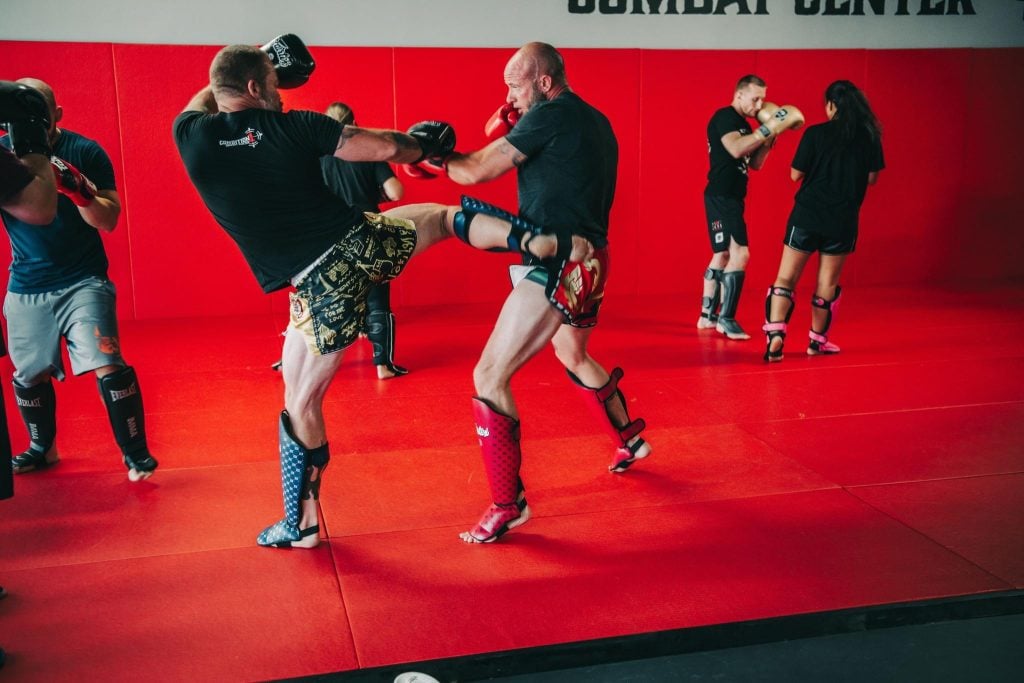
Cost, gear, and what is worth paying for
Tuition in the Spring area typically falls in a moderate range, with discounts for multiple family members. Ask what tuition includes. A transparent program will outline uniform or rash guard requirements, test fees if any, and optional seminar costs. Starter gear for kids is modest: water bottle, athletic wear, and if striking is included, a pair of light gloves once the child settles in. Grappling-heavy programs may require a gi or at least a fitted rash guard and shorts. Buy gear only after the first few classes to ensure fit and interest.
Paying for consistency, quality coaching, and clean facilities is worth it. Paying for flash, cluttered curricula, or endless add-on fees is not. Condition 1 Combat Center martial arts programs in Spring emphasize practical training, which is where your tuition should go.
What sets strong kids coaches apart
The craft of coaching kids is part teacher, part tactician. The best coaches at places like Condition 1 Combat Center carry a steady demeanor. They avoid sarcasm. They demonstrate with clean technique and break movements into cues a child can remember under stress. They also invest in professional development, because kids change. What worked five years ago might not work today.
A telltale sign of a good coach is how they manage the last five minutes of class. Do they rush through promotions, or do they slow down to highlight specific improvements? When a child hears, “Your base stayed strong during the clinch, and you remembered to breathe,” that is more powerful than a generic good job. Specific praise builds specific habits.

For parents comparing options
Spring https://edwintwyp334.clarionvale.com/posts/your-path-to-black-belt-in-spring-tx-condition1combat.com-martial-arts has several choices for families looking at martial arts. The strongest fit is not always the school with the loudest social feed, but the one that aligns with your child’s temperament and your family’s schedule. If you are weighing Condition 1 Combat Center against other programs, observe a class at each place. Look for culture, not just curriculum. Read the room. Who smiles, who concentrates, and how often do coaches connect one-on-one?
As you explore, keep these questions handy:
- How are kids grouped for safety and learning, and how often do partners rotate?
- What are the first three skills a brand-new child will learn in the first month?
- How is progress tracked between belts or stripes, and how transparent is that process?
- What are the rules for contact, tapping, and coach intervention during drills?
- How do coaches handle fear, frustration, or overexcitement in real time?
The long game: character, capability, and community
Parents start with self defense classes because they want their children safer. They stay when they see broader growth. The right program builds a child who can say no with a clear voice, move with balance, and keep working when the first attempt fails. Over months, that mix of capability and character becomes part of a child’s identity.
Community matters, too. When families show up consistently, kids make friends who value effort. They meet teens who help coach and adults who still train hard and speak respectfully. That environment normalizes humility and steady work. The best part is that none of it feels forced. It is simply how the room operates.
Condition 1 Combat Center, with its focus on practical kids martial arts and accessible adult tracks, offers Spring families a credible path from first class jitters to long-term growth. Whether you found it by asking around or by searching martial arts classes at condition1combat.com, the next step is the same. Visit, watch a class, and see how your child responds. Progress starts small: a solid stance, a strong voice, a clear breath. Stack those moments, week by week, and you will be surprised how far a child can go.